


Hello! My name is Xema Soriano, and I work professionally in artistic management within the fields of music and theatre. Throughout my career, I have worked alongside artists and represented theatrical productions and music bands.
When someone contacts me to discuss the booking of shows for private or public events, I know they are not simply asking for an artist. They are asking me to help them create a memorable experience for the audience, one in which, when the performance ends, attendees rise from their seats to reward the artists with a long ovation. And this can only be achieved by offering top-tier artists and productions.
In the following lines, I would like to address precisely this: the factors required for success, from artistic quality to the professional trajectory of actresses, actors, and musicians, in order to deliver an outstanding live performance. Because a memorable event, one that truly moves the audience, not only brings satisfaction to the artists involved, but also builds an excellent reputation for the promoter, who will earn the audience’s trust for future events.

Artistic Booking
The difference between merely meeting expectations and truly standing out often lies in the artistic proposal. It is not just about including a show, but about choosing the right format, the appropriate tone, and the precise moment within the programme.
Booking performances for events involves analysing the audience profile, the organiser’s objectives, the performance space, and the message to be conveyed. Programming a jazz band for an institutional cocktail reception is not the same as selecting a family-oriented musical production for a Christmas campaign, or a theatrical work with educational content for a cultural circuit. Each decision responds to a defined strategy.
A well-chosen performance creates rhythm, brings cohesion to the event, and reinforces its identity. It also has a direct impact on the perception of quality and on the overall experience of the attendees. Live music, theatre, or a specific stage proposal can become the element that structures the entire programme.
Over the years, I have learned to read audiences, to understand which type of proposal works in each context, and which format best fits the objectives of the booking. Part of my work consists precisely in this: advising, guiding, and proposing the most suitable option so that the artistic choice is not a matter of chance, but a solid and well-founded decision.
Manager artistic and distributor of music and theatre
My professional experience as an artistic manager and distributor of music and theatre makes the difference when it comes to ensuring that everything fits together and runs seamlessly. Years in the sector have taught me that every production is a complex system in which many factors are involved, factors that are not always visible from the outside. Anticipating them is key to avoiding mistakes and ensuring that the final result meets the expected standard.
A production involves budgetary considerations, negotiation of terms, schedule coordination, adaptation to the venue, detailed technical planning, compliance with legal requirements, communication between teams, management of real timelines, and anticipation of potential incidents. It is also essential to understand the cultural context of the event, the audience’s expectations, and the positioning of the organising entity.
Nothing can be left to chance. From confirming the technical rider to the exact timing of an entrance on stage; from transport logistics to coordination with the protocol team or local production staff, every decision has an impact on the final outcome.
My role is to supervise this set of variables, make informed decisions, and ensure that everything is aligned so that the performance not only takes place, but is truly successful.
Before confirming a booking, I review factors such as:
-
The objective of the event and the type of audience: programming for a family audience is not the same as programming for a conference, an opening ceremony, or an institution.
-
The actual venue: dimensions, ceiling height, dressing rooms, access points, loading and unloading areas, sightlines, acoustics, and on-site conditions.
-
Technical requirements: sound, microphones, lighting, riders, power consumption, rehearsal times, and responsibility allocation.
-
The human team: number of artists, technicians, stage management, and coordination with event staff and venue managers.
-
Full logistics: transport, accommodation where applicable, arrival schedules, setup and dismantling, and contingency margins.
-
Contract and terms: fees, payment methods, cancellations, insurance, rights where applicable, and all elements that prevent misunderstandings.
My role is to connect the artistic world with the organisational one so that everything flows: the artist arrives, works under good conditions, and shines; and the organiser gains security, control, and peace of mind. Because when a booking is well executed, the performance does not just work, it elevates the entire event.
Theatre Production Booking: Contemporary Proposals
Contemporary theatrical programming demands productions that not only work effectively on stage, but also in terms of management, technical adaptability, and audience engagement. For this reason, this selection brings together currently touring productions with well-established teams and formats designed to tour reliably across different types of venues, from municipal auditoriums to private theatres.
These are shows that combine storytelling, music, staging, and clearly identifiable values, aimed primarily at family audiences while also appealing to multiple generations. Each title has been conceived with a clear structure, both artistically and technically, making it possible to guarantee consistent results in every performance.
Below, I present some of the most outstanding proposals, designed to facilitate programming and ensure a complete, carefully crafted stage experience that can be adapted to each context.






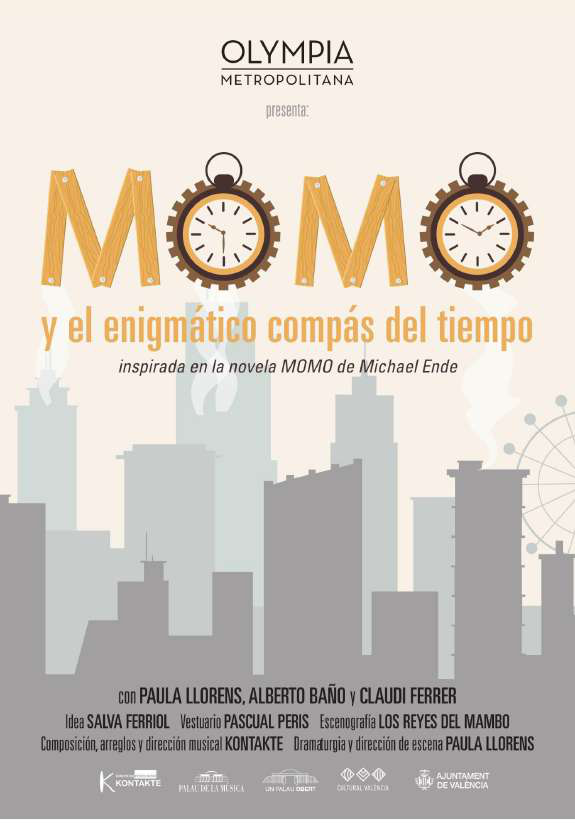

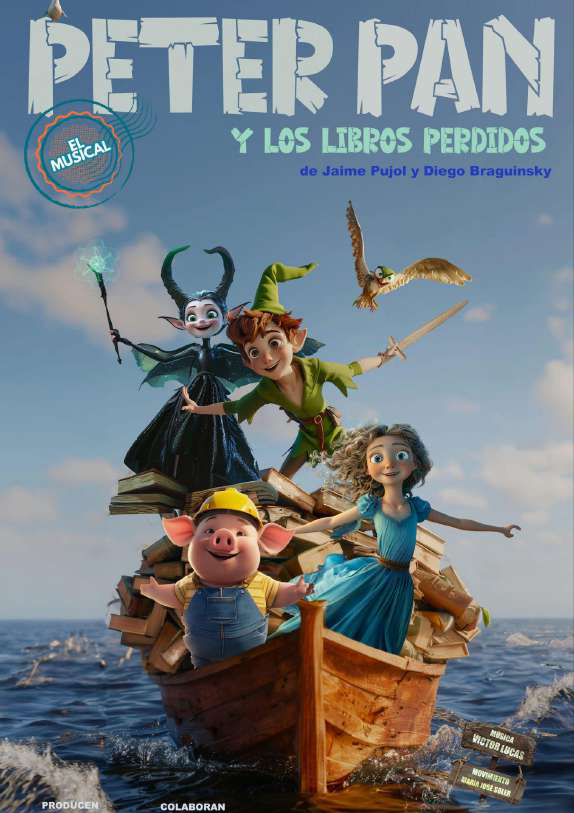
These productions feature stable casts, clearly defined stage direction, a well-structured technical setup, and touring experience, which facilitates their adaptation to municipal auditoriums, private theatres, and cultural programming contexts.
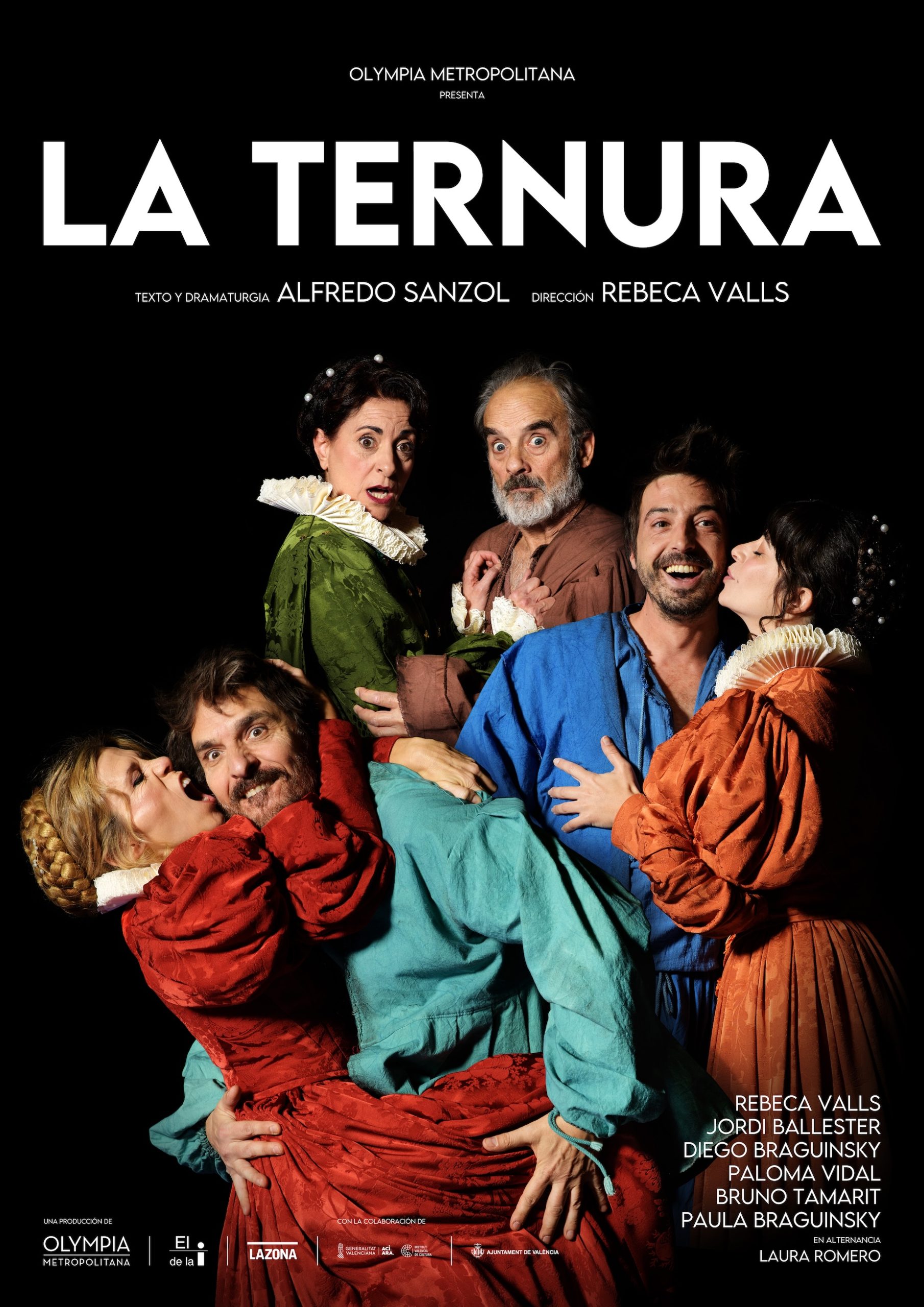
In parallel, I work with Olympia Metropolitana on productions such as La Ratonera, La mujer de negro, Escape Room, La ternura, Por los pelos, and a wide range of theatrical productions that combine artistic quality, high-level casts, and a broad variety of titles, allowing professional programmers to choose the option that best fits their locality.
Each of these productions involves coordination between cast members, technical teams, scenography, lighting requirements, setup times, and tour planning. My role is to sell any of these shows to a professional programmer and subsequently supervise the entire structure, adapt the production to the specific venue, and ensure that the experience maintains its quality regardless of where it is performed.
Because not every play works in every context. Making the right choice is not only a matter of taste, but of real knowledge of the production, the human team behind it, and the type of audience it is intended for.
Booking Musicians for Events: Current Proposals
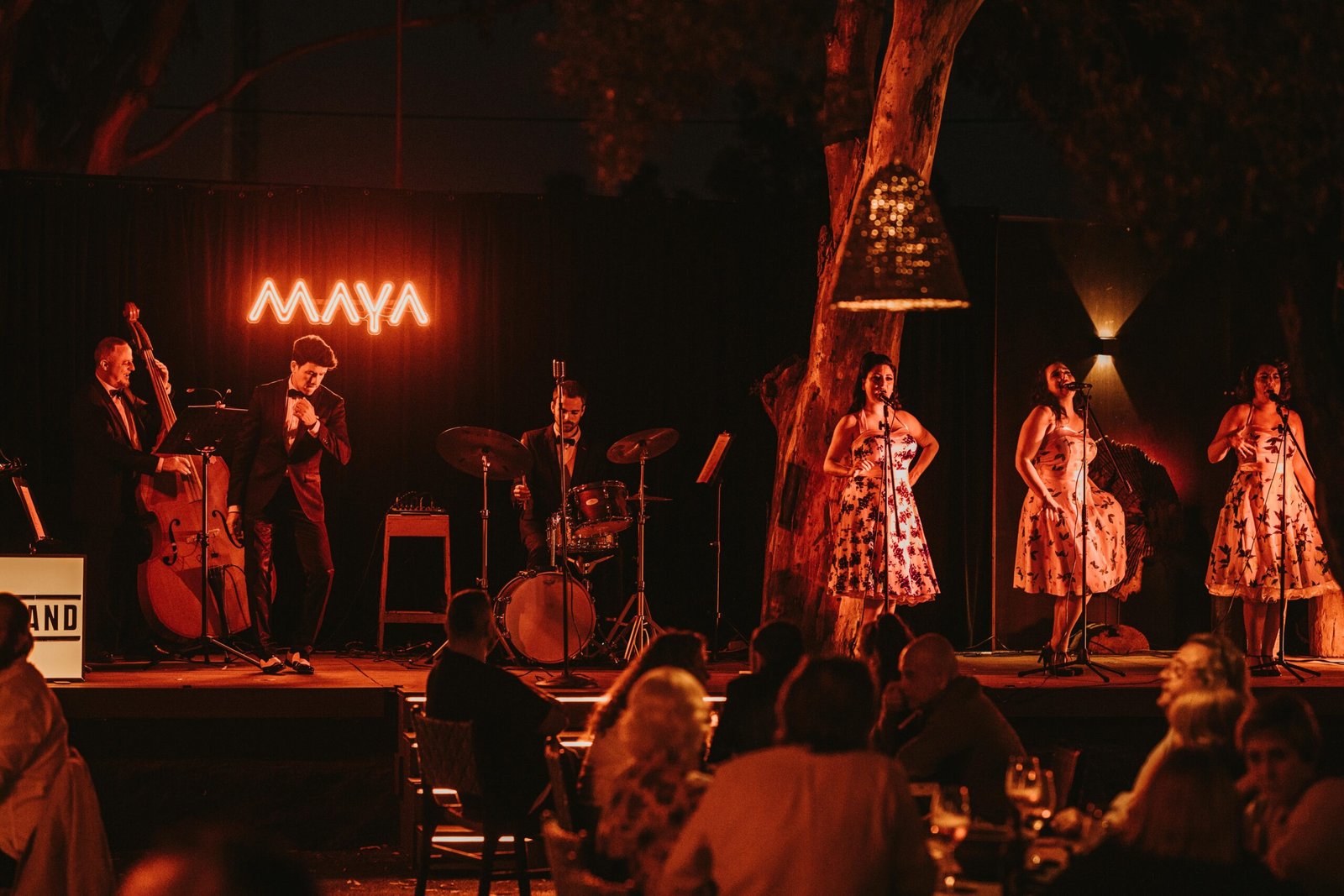
Live music transforms a space in a matter of seconds. It changes the energy, sets the rhythm of the gathering, and creates an atmosphere that directly influences how the event is experienced. However, not all musical acts work equally well in every context, and that is where professional judgement comes into play.
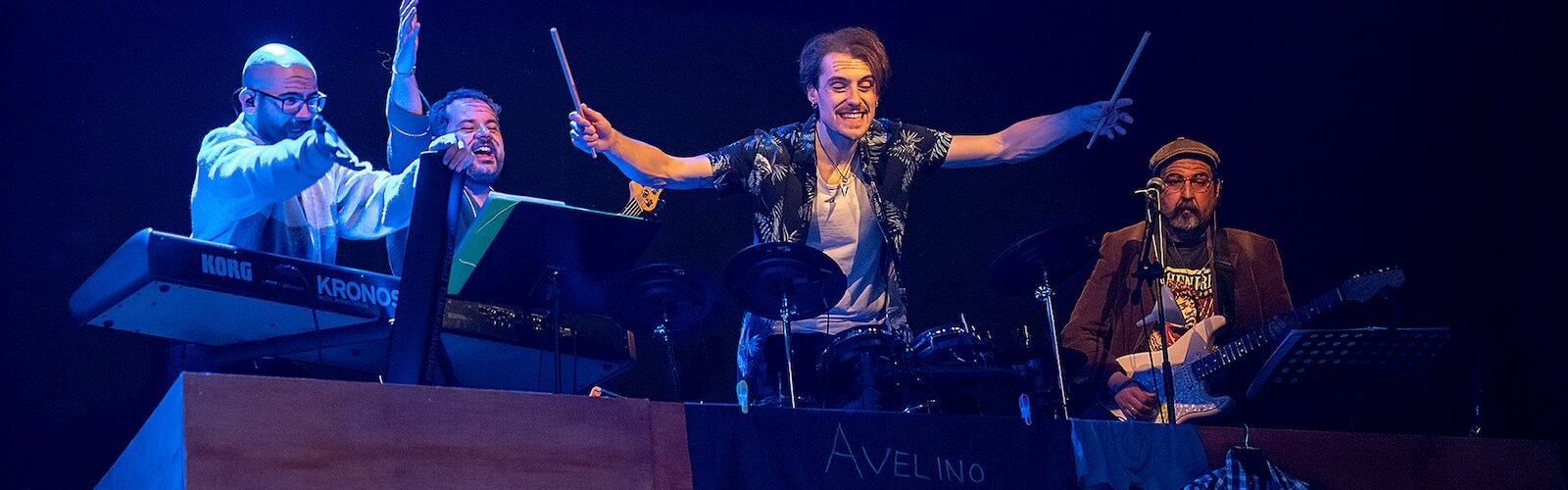
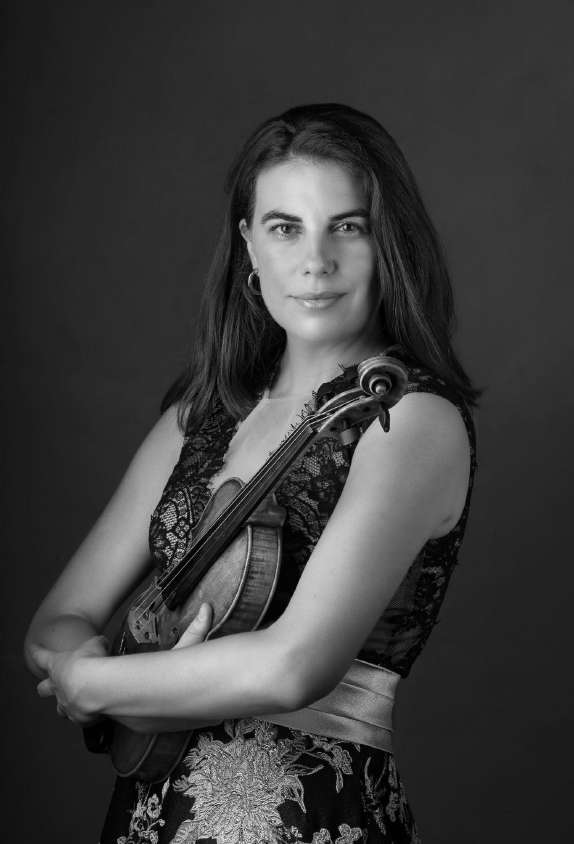
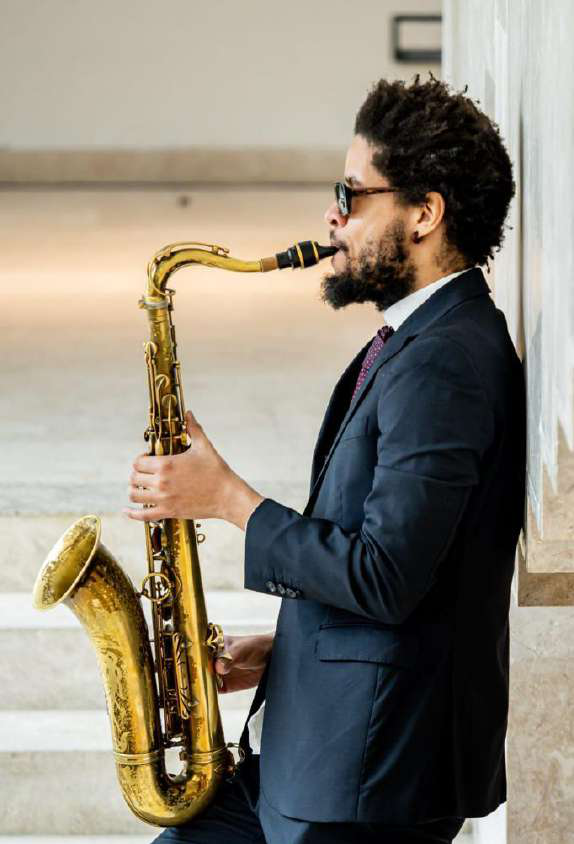
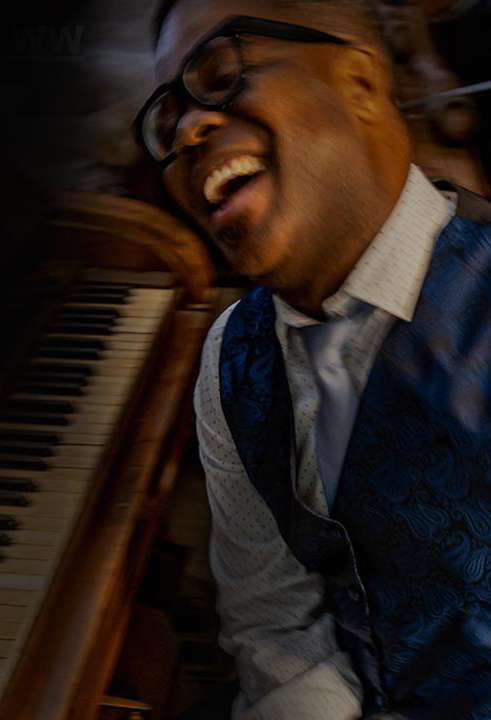
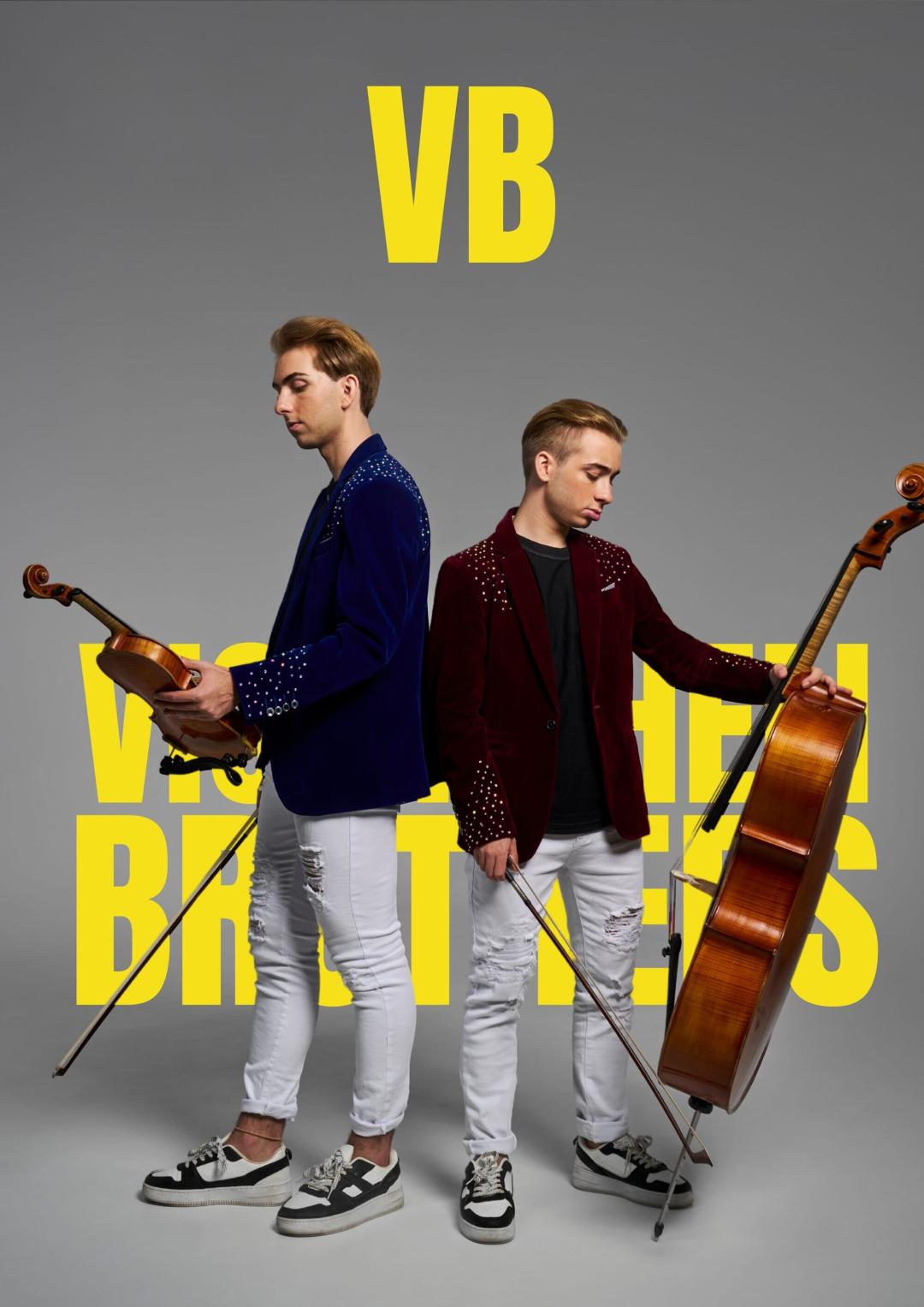
I currently represent different musical profiles with well-established careers and adaptable formats.
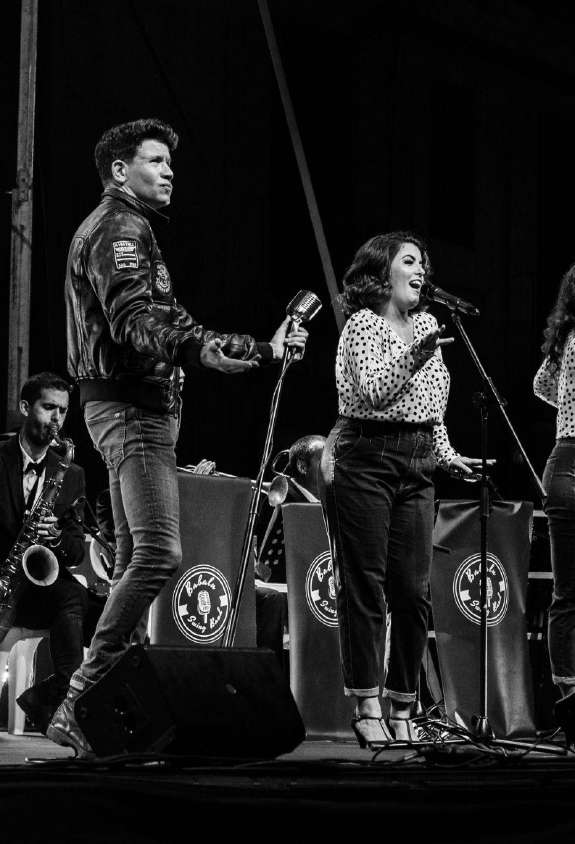
Cultural Management and Event Performance Booking
Choosing an artistic proposal is not only a matter of style or theme. In both music and theatre, it is essential to assess the real scale of the project: technical structure, number of performers, scenography or backline requirements, setup times, lighting complexity, sound requirements, and the ability to adapt to the available space.
A professional company or musical act is not defined solely by its artistic quality, but by its reliability in live performance. Punctuality, internal coordination, clarity of technical requirements, experience in different contexts, and flexibility in the face of changes all form part of the final outcome. Performing in a fully equipped theatre is not the same as integrating into a corporate event with tight schedules, nor is presenting a family musical the same as staging a production with educational content or a festival-format concert.
Before making a proposal, I analyse all these variables: venue characteristics, actual budget, audience profile, organiser expectations, and the message to be conveyed. I also assess the track record of the production, its performance on tour, and the response it has received in other venues.
That changes the way one works.
I also take into account practical aspects that are often overlooked:
-
whether the setup is sustainable on tour or significantly increases local production costs
-
whether the technical team travels in full or relies on venue resources
-
whether the production has a proven track record or is still in a development phase
-
whether the artist has experience in contexts similar to the event
The difference between an adequate booking and a successful one often lies in these details.
My work consists of filtering. Of ruling out what does not fit, even if it is attractive. Of adjusting expectations when the budget does not allow for a certain format. Of proposing viable alternatives when the venue does not meet specific conditions.
I am not simply looking for the show to take place. I am looking for it to work within the concrete reality of the event and to strengthen the position of the programmer.
This combination of artistic vision and strategic reading of the context is the foundation of my work.
Common Mistakes in Show Booking
One of the most common mistakes is prioritising price above all else. A lower fee does not always mean a better deal. It can imply less live experience, insufficient technical teams, or a lack of professional structure behind the performance. In the medium term, going cheap can become costly if incidents arise, delays occur, or the results fall short of expectations.
Another frequent error is failing to thoroughly assess the actual technical requirements of the show. Incomplete riders, lack of foresight regarding sound or lighting, insufficient time for setup and rehearsals. All of this generates tension on the day of the event and compromises the final quality. Often, the problem is not artistic but organisational.
It is also common not to study the fit with the audience. A production may have an excellent track record and positive reviews, but it may not work in a specific context if the audience profile, the format of the event, or its tone are not appropriate. Programming without considering this variable is taking an unnecessary risk.
Another typical mistake is failing to anticipate contractual and logistical aspects: unclear cancellation clauses, poorly defined technical responsibilities, unrealistic schedules, or lack of coordination between local production and the artistic team. These details are not always visible from the outside, but they are what sustain the performance.
My experience allows me to anticipate these scenarios before they become problems. Reviewing, asking questions, cross-checking, and planning are all part of my work. In this sector, prevention is not an extra, it is a guarantee.
Difference Between an Amateur Booking and a Professional Booking
Problems often arise when attempting to book music groups or manage theatre productions without prior experience.
A lack of technical foresight, the absence of a detailed contract, or poor coordination can create unnecessary tensions.
Professional booking of performances for events requires anticipation, reviewing technical riders, confirming actual needs, and coordinating well in advance.
When someone decides to hire live music through me, they know there is a detailed plan behind it. This assurance provides peace of mind for the organiser and guarantees that the outcome meets expectations.
I currently work with a selection of theatre productions that cover different audiences, formats, and objectives. Each production follows a clear direction and has a well-established professional team behind it.
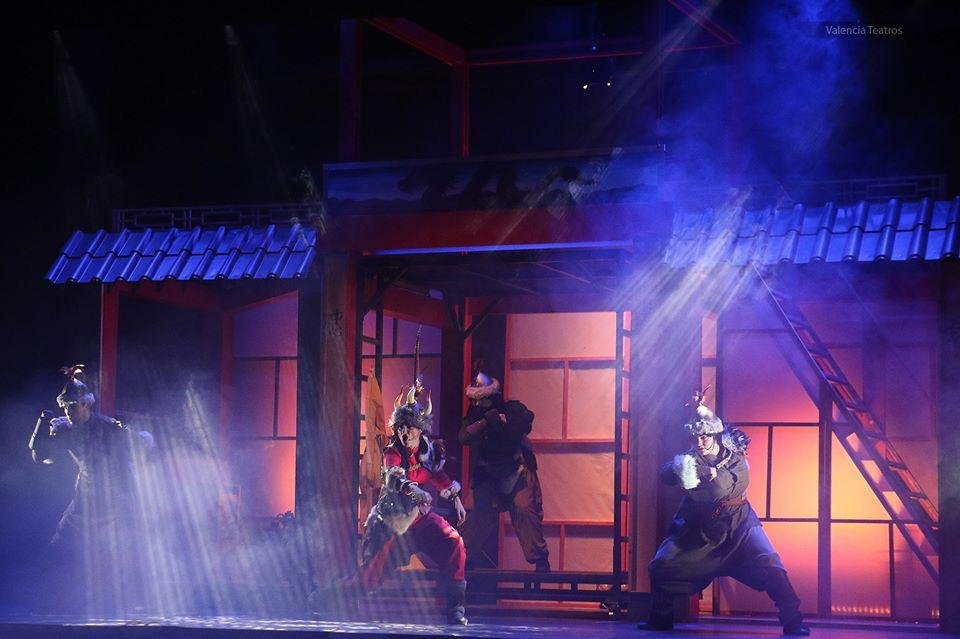
With La Compañía de Row, I manage several family musicals in Spanish that combine carefully designed sets, visually striking costumes, and original songs.
My Commitment to Artistic Quality
In every project I manage, there is a clear premise: quality is the foundation of everything. In both theatre and music, I work exclusively with solid proposals, professional teams, and productions that have proven their level on stage.
For me, quality is not limited to talent. It includes direction, structure, technical preparation, live performance experience, and the ability to adapt to different contexts. A theatrical production must be well-constructed. A musical ensemble must sound good and perform with precision. The audience perceives these nuances, even if they are not always consciously aware of them.
I also believe that every event communicates identity. The artistic choice is not neutral: it conveys values, positioning, and judgement. Thoughtful programming strengthens the reputation of an institution, a company, or a cultural venue. That is why I do not see booking as a mere addition, but as a decision that defines the tone and character of the project.
The ultimate goal is clear: for art to fulfill its purpose, to connect, and to leave a lasting impact. That is my commitment.